How to Choose between a 6x4 and an 8x4 heavy-duty truck?


How to Choose between a 6x4 and an 8x4 heavy-duty truck?
Choosing between a 6x4 (three-axle, rear tandem drive) and an 8x4 (four-axle, rear tandem drive) heavy-duty truck is a critical business decision that directly impacts operating costs, load capacity, and regulatory compliance. This is not merely a question of "adding an extra axle," but a systematic consideration involving vehicle gross weight, regulations, road conditions, and application scenarios.


Below is a clear, structured decision-making guide to help you make the most suitable choice.
1. Decisive Factor: Regulations and Gross Vehicle Weight (GVW)
This is the primary and most rigid consideration point. Different countries/regions have strict weight limits based on the number of truck axles.

6x4 Truck: The typically permitted Maximum Gross Vehicle Weight (GVW) is around 25 tons (subject to local regulations and vehicle certification). Suitable for standard load transportation.
8x4 Truck: Due to the additional load-bearing axle, the permitted Maximum Gross Vehicle Weight (GVW) can reach 31 tons or even higher. Its core advantage is the ability to carry more cargo within legal limits.
Conclusion: If your regular transport tasks require a vehicle gross weight exceeding 25 tons, then an 8x4 is the only legal choice.
2. Core Application Scenarios and Cargo Types
Scenarios suitable for 6x4:
Long-haul Line-haul Logistics: Transporting containers, low-density cargo, or standard-weight bulk goods on highways, where the total weight often stays within 49 tons (tractor + trailer) or 25 tons (rigid truck). Fuel economy is key.
Express Logistics: Large-volume but lightweight goods.
Certain Specialized Work Vehicles: Such as concrete pump trucks, truck-mounted cranes (as chassis), where the total weight is limited by the mounted equipment.
Scenarios demanding high maneuverability: Shorter wheelbase provides a relatively smaller turning radius.
Scenarios suitable for 8x4:
Heavy-haul Transport: Transporting high-density goods like sand/gravel, coal, steel, ore.
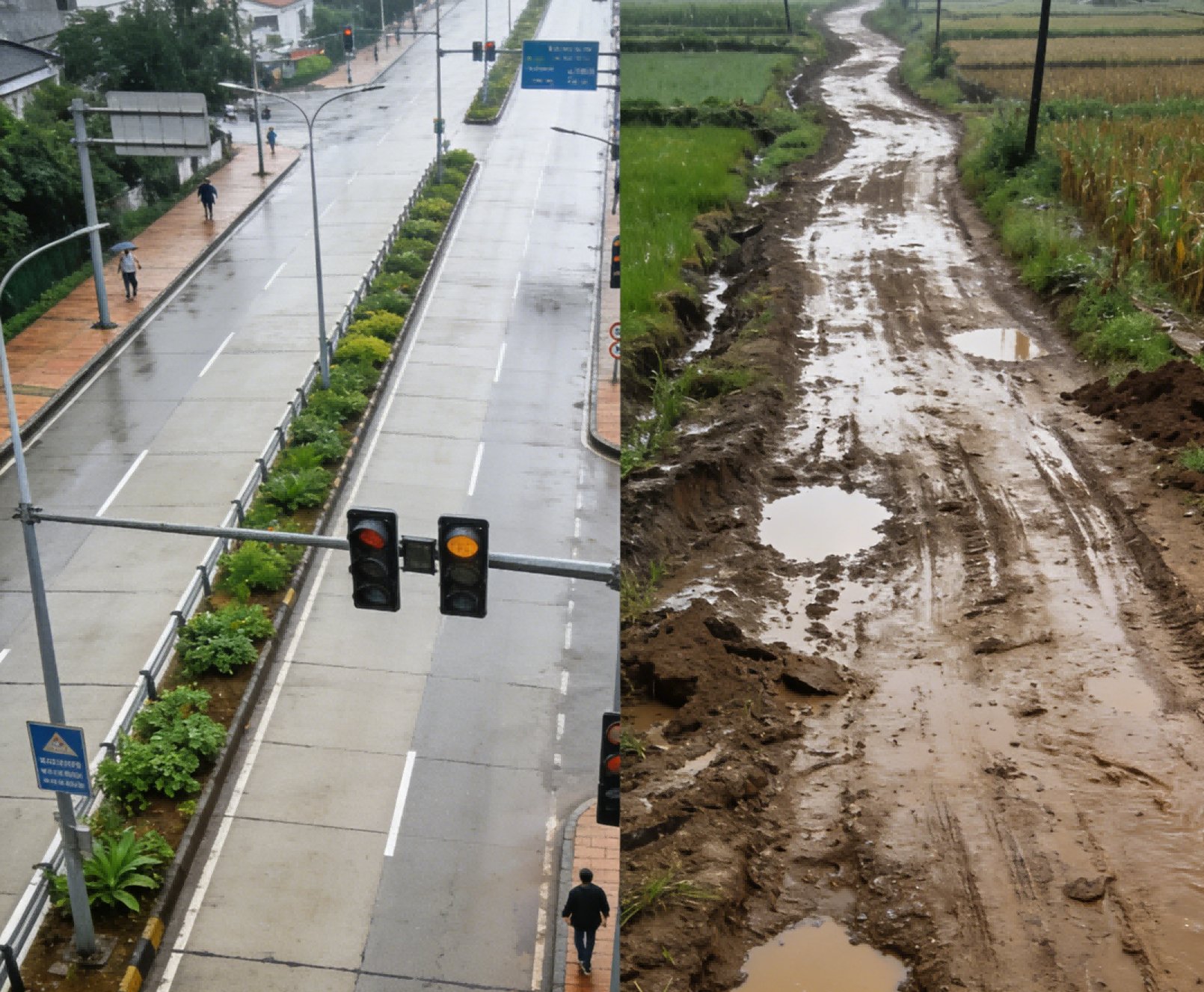
Construction Projects: Delivering concrete (mixer trucks), earth, building materials, often operating on poor road conditions at job sites, requiring greater load capacity and off-road capability.
Oversized Equipment Transport: Serving as support vehicles for heavy haulage.
Compliance-driven "Higher Load" Scenarios: In regions with axle-based tolling or strict overload control, the 8x4 can legally carry approximately 6 tons more cargo per trip, directly increasing single-trip revenue.
3. Cost and Revenue Analysis
Purchase Cost: An 8x4 is 15-25% more expensive than a similarly configured 6x4, due to the extra axle, tires, and parts of the suspension system.
Operating Costs:
Fuel Consumption: The 8x4's greater curb weight, more tires (two extra), and higher rolling resistance typically result in 5-15% higher fuel consumption compared to a 6x4.
Tire Wear & Maintenance: Two extra tires mean higher replacement costs. More wear parts like brake pads and bearings also increase maintenance expenses.
Toll Fees: In some regions where tolls are calculated per axle, fees for an 8x4 are higher than for a 6x4.
Revenue Potential: The 8x4's higher legal payload capacity allows for higher single-trip freight revenue. The key is whether your cargo supply can consistently "fill" this extra capacity.
4. Vehicle Performance and Handling
Traction and Off-road Capability: Both are rear tandem drive, offering comparable traction. However, the 8x4's longer wheelbase may slightly hinder its capability in extremely muddy conditions compared to the more compact 6x4.
Stability: The 8x4's longer wheelbase and extra load-bearing axle provide more stable driving and better braking stability under heavy loads.
Maneuverability: The 6x4's shorter body makes it more agile for turning and maneuvering, easier to operate in confined urban areas or job sites.
Final Selection Advice
Firmly choose a 6x4 if:
Your operating gross weight consistently remains below 25 tons.
You are primarily engaged in highway line-haul standard load logistics and are sensitive to fuel costs and overall operating expenses.
You frequently operate in urban or confined environments and require better maneuverability.
Your budget is limited, and you wish to control upfront purchase costs.
Seriously consider upgrading to an 8x4 if:
Regulations permit and your business requires a gross weight exceeding 25 tons (in the 26-31 ton range) to be profitable.
You mainly transport heavy goods like sand/gravel, coal, or steel.
Your primary operating environment consists of national/provincial highways and construction sites, demanding high load-bearing capability.
You have a stable and sufficient supply of heavy cargo, ensuring full utilization of the increased payload capacity to offset higher operating costs and generate more profit.
Final Step:
After making a preliminary choice, please consult our professional sales advisors. They can provide precise advice tailored to local specific regulations, road conditions, and the transport market, and recommend suitable engine horsepower, transmission, and axle ratio configurations.
Online message
Contact Us
-
celine@cntruckagency.com
Email:
-
+86 185 6276 4600
WhatsApp:
-
+86 188 5322 2289
Phone:
-
Address:
No. 101 Shenzhen Road, Laoshan District, QINGDAO
message
Logistic Solution by

