Refurbish Used Truck is transforming a "personal item" into a qualified "standardized commodity"


Refurbish Used Truck is transforming a "personal item" into a qualified "standardized commodity"
The fundamental purpose of refurbishing and remanufacturing used cars is to bridge the significant gap between a vehicle's "original condition" and "market expectations and safety standards," thereby creating commercial value, ensuring safety, and reducing resource waste.

Simply put, it's about transforming a "personal item" into a qualified "standardized commodity."
Here is a detailed explanation from several key perspectives:
1. Commercial Perspective: Enhancing Value and Meeting Market Demand
* Eliminating Uncertainty and Building Trust: The most defining characteristic of the used car market is that "each car has its unique condition," leading to significant information asymmetry. Buyers' greatest fear is purchasing a vehicle that has been in an accident, flooded, or has hidden faults. Systematic refurbishment and remanufacturing (especially when involving professional inspection and repair) acts as a "quality endorsement" for the vehicle, greatly reducing the buyer's decision-making risk. This is the foundation upon which a transaction can be completed.
* From "Raw Product" to "Commodity": An unrefurbished used car is like an unprocessed raw material—its value is highly volatile, and its appeal is limited. Refurbishment and remanufacturing is a process of standardization and value addition. By fixing cosmetic flaws, replacing wear-and-tear parts, and deep-cleaning the interior, the vehicle transitions from a "used object" to a state "close to new." This meets the mainstream consumer's basic expectations for a commodity to be "clean, reliable, and functional," allowing it to enter a broader market and command a higher price.
2. Technical and Safety Perspective: Ensuring Reliability and Compliance
* Restoring Mechanical Performance: Refurbishment is not just about "a facelift"; it's about "treating the underlying issues." The crucial "remanufacturing" phase involves:
n Safety Inspection and Repair: Checking and replacing aged components like brake pads/disks, tires, suspension parts, and belts to ensure both active and passive safety systems are intact.
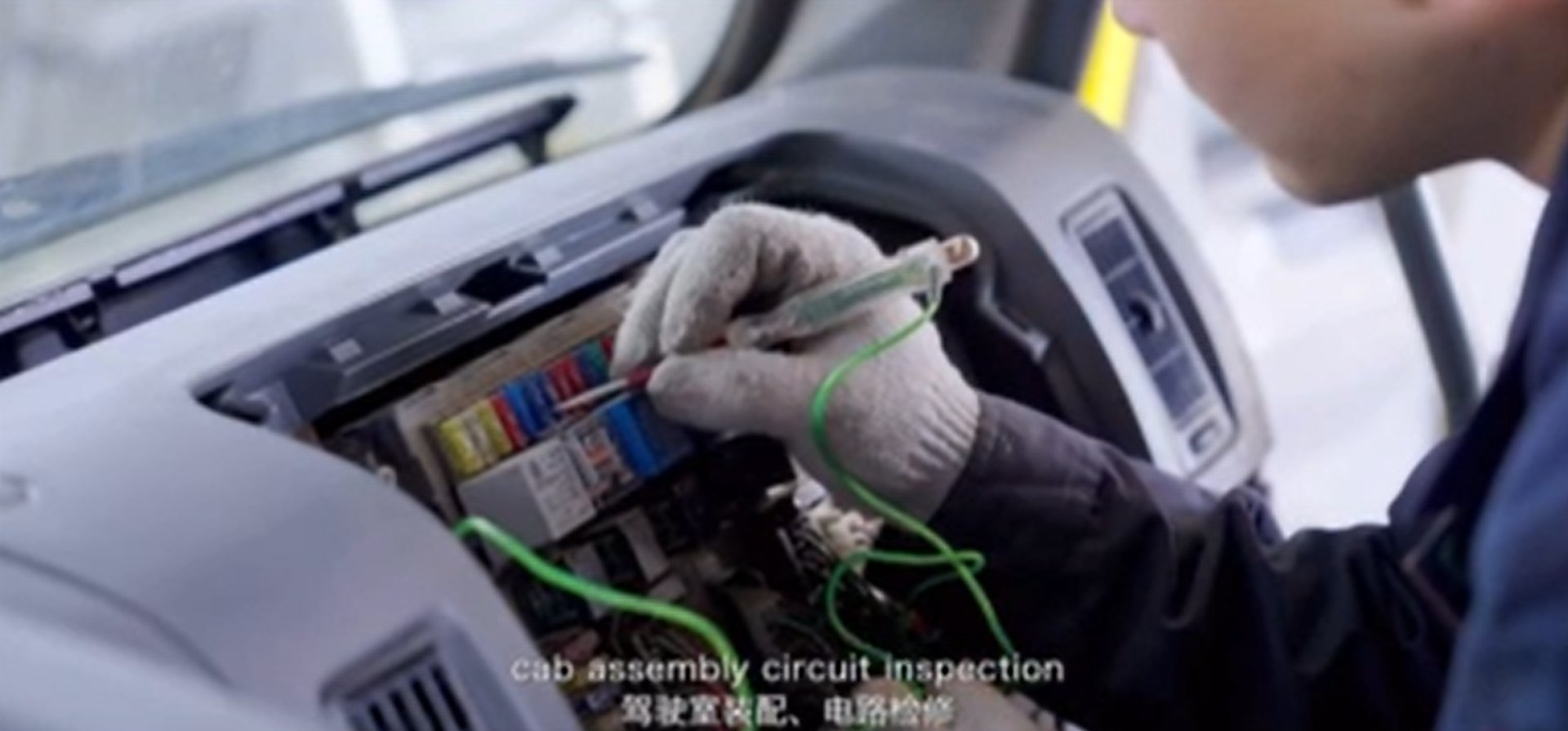
n Functionality Restoration: Repairing faulty electrical equipment, air conditioning, windows, etc., to ensure all features operate normally.
n Eliminating Hidden Defects: Addressing potential problems like oil leaks, abnormal noises, or poor engine performance to prevent failures shortly after delivery.
3. Consumer Psychology and Experience Perspective: Creating a "Like-New" Feeling
* Transcending Functional Needs: Today's consumers are buying not just transportation, but an experience. A dirty interior, worn steering wheel, or faded paintwork creates a strong sense of "previous use" and psychological disappointment. Deep cleaning, interior refurbishment, and paint correction significantly enhance the vehicle's sensory quality and perceived value, making the buyer feel they are getting their money's worth, or even experiencing the joy of "finding a treasure."
* Providing Warranty and Service Commitments: Only with vehicles that have undergone formal refurbishment and remanufacturing can dealers confidently offer "third-party inspection reports" and "warranties of a certain duration." This is a key factor in eliminating consumer concerns and finalizing the deal, all of which is built upon the solid groundwork of the initial refurbishment and remanufacturing work.
4. Resource and Environmental Perspective: Practicing a Circular Economy
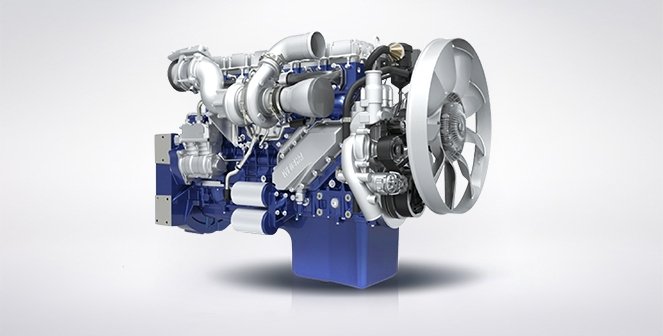
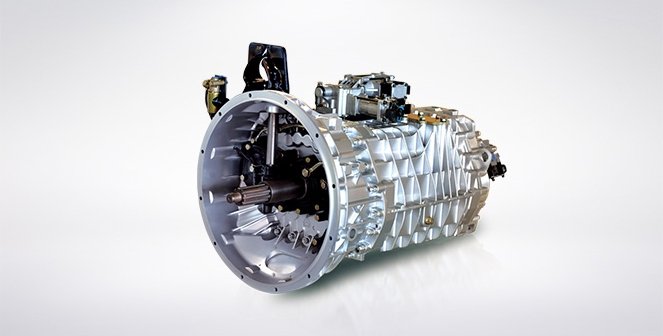
* Remanufacturing vs. Replacement: The core idea of "remanufacturing" is not simple replacement. It involves the disassembly, cleaning, inspection, replacement of worn parts, and reassembly of core assemblies like engines and transmissions to restore their performance to a near-new standard. Compared to simply scrapping old parts and casting new ones, this saves approximately 50% in cost, 60% in energy, and reduces material consumption by about 70%.
* Maximizing Vehicle Lifecycle: Through refurbishment and remanufacturing, a vehicle's service life is extended, delaying its time to scrap. From a macro perspective, this reduces the massive demand for raw materials (steel, rubber, plastic, etc.) needed to produce new cars and lowers the energy consumption and pollution associated with new car manufacturing. It represents a genuine model of a green circular economy.
The Difference and Connection Between Refurbishment and Remanufacturing
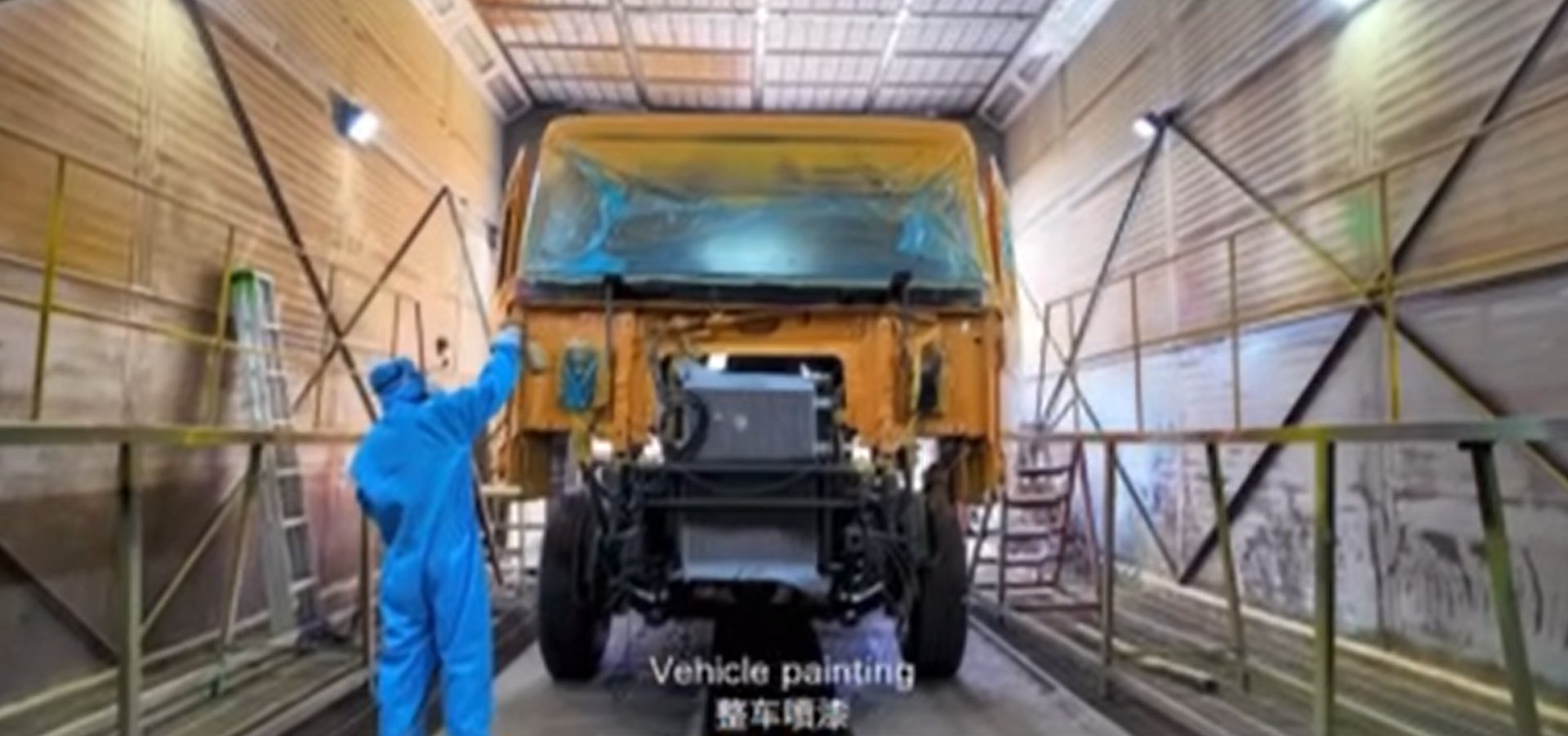
* Refurbishment: Focuses more on "exterior and sensory restoration," such as cleaning, polishing, repairing interiors, and handling minor dents. The goal is to make the car "look like new."
* Remanufacturing: Focuses more on "restoring core functionality and performance." It is an industrial-grade process of disassembling, repairing, and reassembling key systems like the engine and transmission. The goal is to make the car "perform like new."
In the actual reconditioning process for used cars, the two are often combined. A high-quality used car is inevitably the result of thorough exterior refurbishment combined with reliable performance remanufacturing.
Qingdao Passepartout Automobile adhere to only producing reliable and compliant refurbished and remanufactured used cars that meet industry standards. In essence, this is a process of value re-engineering. Through standardized industrial processes and technical means, it transforms used vehicles of varying conditions into safe, reliable, quality-controlled, and well-experienced standardized commodities. This connects buyers and sellers and achieves the maximization of resource utilization and the healthy development of the market.
Online message
Contact Us
-
celine@cntruckagency.com
Email:
-
+86 185 6276 4600
WhatsApp:
-
+86 188 5322 2289
Phone:
-
Address:
No. 101 Shenzhen Road, Laoshan District, QINGDAO
message
Logistic Solution by

