Choosing the Right Light Truck for Smooth Business: A Comprehensive Buying Guide from Scenarios to Details


Choosing the Right Light Truck for Smooth Business: A Comprehensive Buying Guide from Scenarios to Details
In urban distribution, individual business operations, or short-distance logistics, a reliable light truck is a powerful partner in creating value. Faced with numerous brands and varying configurations on the market, how can you avoid "choice paralysis" and accurately select the most suitable model for your needs? This article will provide you with a practical buying guide from macro to micro perspectives.
Step 1: Clarify Core Needs – Starting with Scenarios
Choosing a light truck isn't about "gut feeling," but begins with clear self-analysis. Please answer three key questions first:
1. What will you mainly transport?
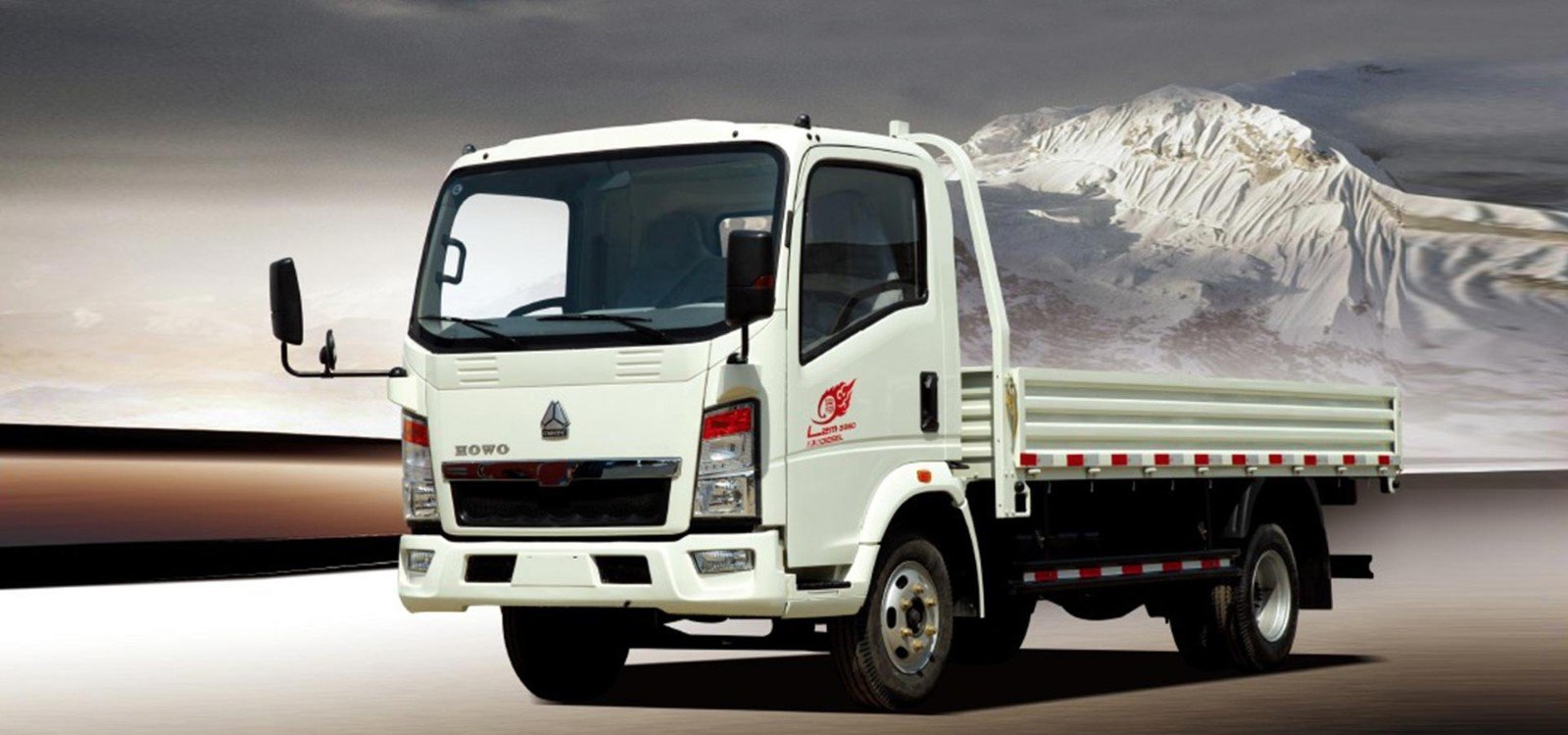
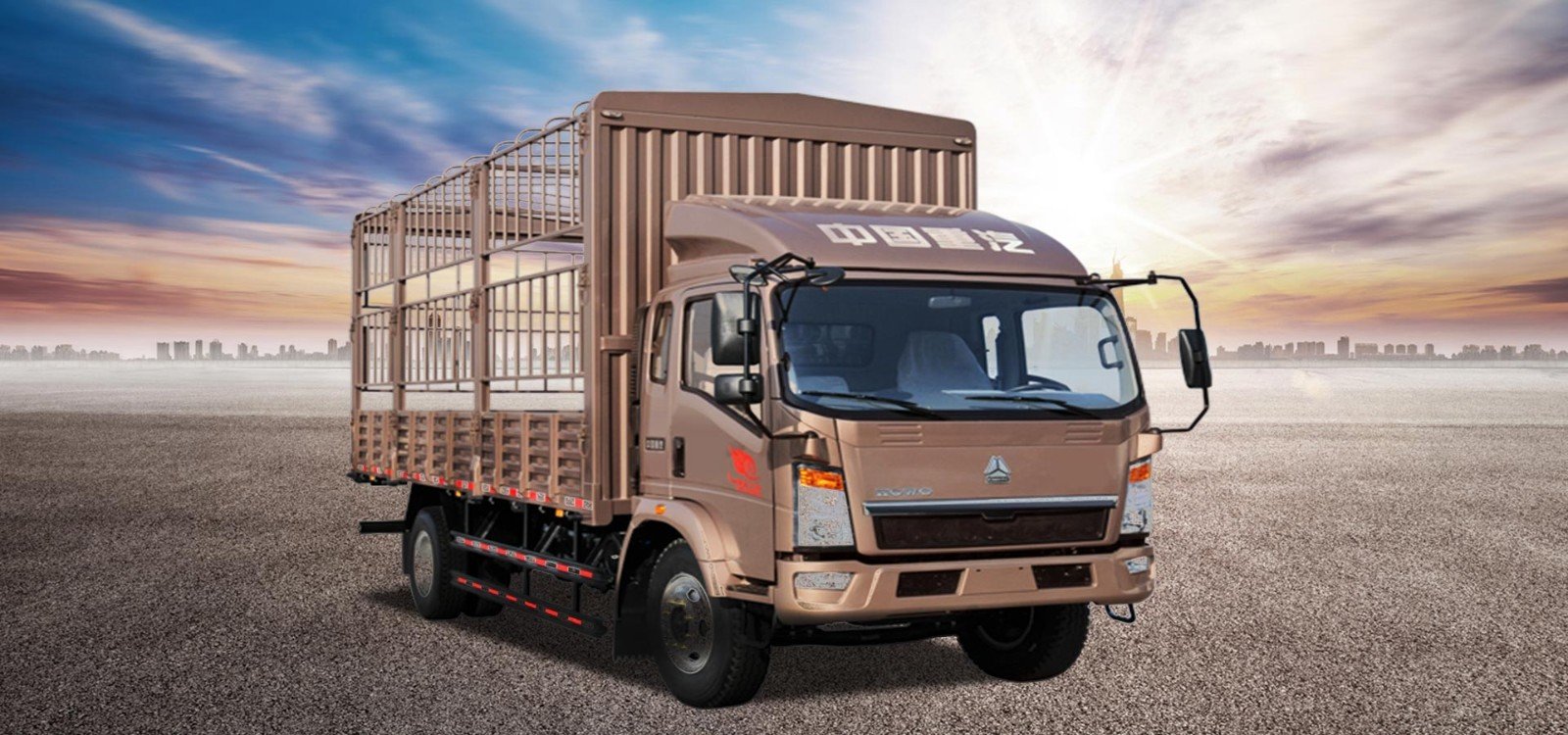
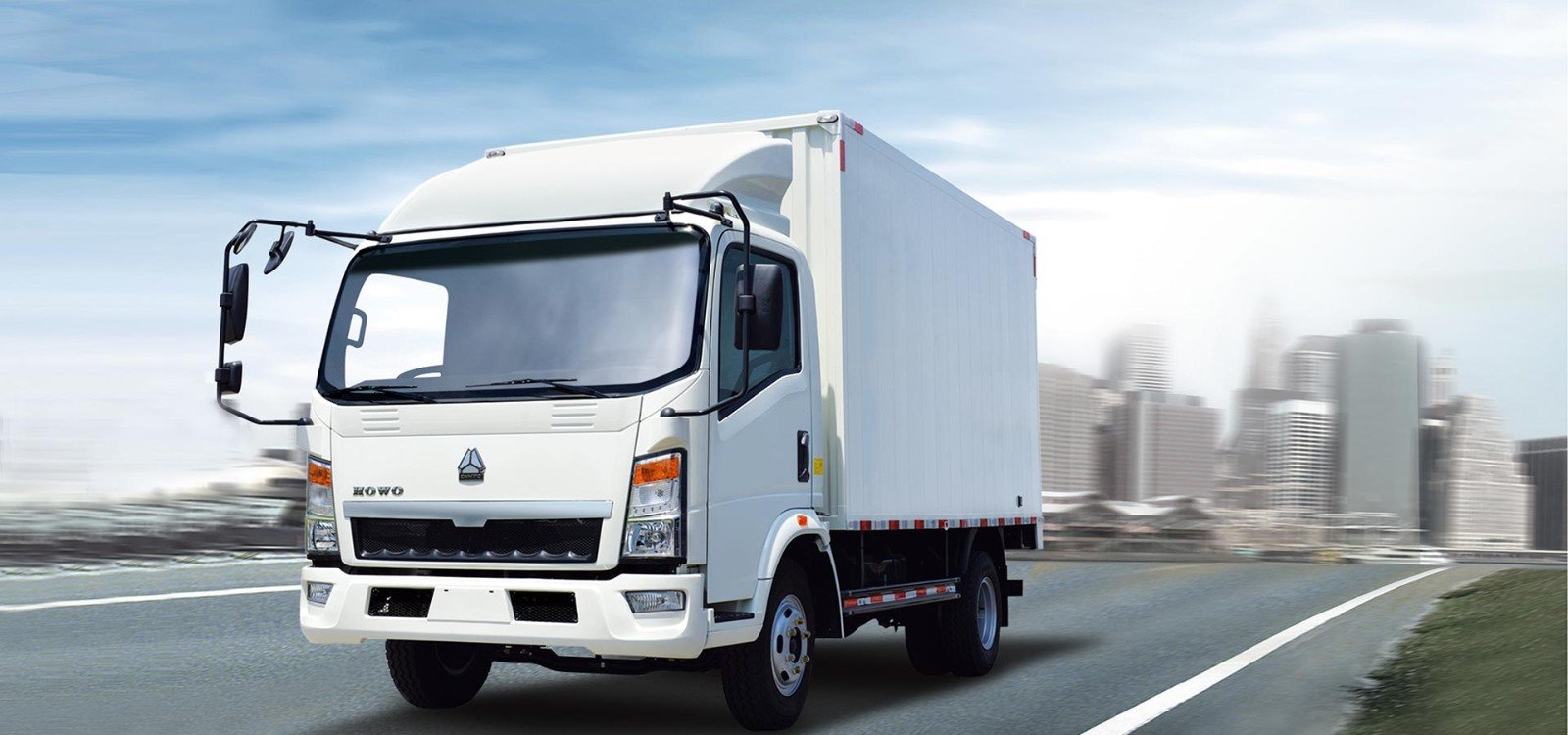
Cargo Type: Is it standard cardboard boxes, home appliances, fresh fruits and vegetables, or building materials? This relates to the cargo box type (box, flatbed, stake, refrigerated) and internal wall protection requirements.
Cargo Volume and Weight: Estimate the daily loading volume and tonnage. This is crucial in determining the vehicle's load capacity (official tonnage) and cargo box size.
2. Where will you mainly operate?
Road Conditions: Is your primary driving mode urban, or do you frequently travel to rural areas and construction sites? This influences your considerations regarding vehicle passability (ground clearance), power, and emissions standards (such as whether it needs to meet stringent urban emission requiremen
ts).
Operating Mileage: Average daily mileage determines your sensitivity to fuel economy and maintenance costs.
3. Who is the primary driver?
If the driver needs to spend long periods in the vehicle, then cab comfort, ergonomic design, and auxiliary features become particularly important.
Step Two: Grasp the Key Indicators – Understanding Core Configurations
After clarifying your needs, you can focus on the vehicle's key technical parameters:
1. Powertrain: Engine, transmission, and rear axle
Engine: Pay attention to displacement, power/torque (especially low-speed torque), technology (such as EGR, high-pressure common rail), and brand reputation. For urban delivery, prioritize models with sufficient low-speed torque, low noise, and fuel efficiency; heavy-load or mountainous roads require greater horsepower and torque reserves.
Transmission: Manual transmissions are mature and reliable; AMT (Automated Manual Transmission) significantly reduces driver fatigue and is the future trend. Examine gear position clarity and shift feel.
Rear Axle Ratio: Lower ratios are suitable for high-speed driving and are more fuel-efficient; higher ratios are suitable for heavy-load starts and complex road conditions, providing greater power. Choose according to operating scenarios.
2. Load Capacity: Chassis and Suspension
Frame Beam: Observe the thickness, height, and material of the frame beam; this is the vehicle's "backbone" and directly determines load-bearing rigidity.
Leaf Spring Count: More leaf springs mean stronger load-bearing capacity, but may reduce comfort when unloaded. A balance must be struck between load capacity and comfort.
Tire Specifications: Larger tire sizes and higher load-bearing capacity ratings ensure heavy-load performance.
3. Upper Structure: Cargo Box
Dimensional Compliance: Ensure external dimensions comply with regulations and internal dimensions meet loading requirements.
Workmanship and Materials: Check the thickness of the body panels, frame density, sealing, and anti-corrosion treatment. Pay special attention to the thickness and material of the insulation layer for refrigerated trucks.
Step 3: Focus on Experience and Cost – Calculate Both Aspects
1. Cabin and Comfort:
Spatial Layout: Width, sleeper berth size, and storage space suffice.
Human-Centered Design: Seat comfort, dashboard clarity, button convenience, air conditioning effectiveness, and sound insulation directly impact work performance.
Technology and Safety: Is it equipped with safety features such as reversing radar/camera, ABS, and anti-skid systems? Multimedia systems and power windows enhance convenience.
2. Total Cost of Ownership (TCO):
Purchase Cost: Initial investment.
Fuel Cost: Refer to other owners' actual fuel consumption reports; this is one of the largest long-term operating expenses.
Maintenance Cost: Understand the prices, maintenance cycles, and costs of commonly used parts. Network coverage and service quality are crucial, affecting the speed of problem resolution and minimizing downtime losses.
Residual Value: Models with high market share and good brand reputation typically retain their value better in the resale market.
Summary: The Golden Rule
There is no best, only the most suitable. A good car is one that strictly matches your business scenarios.
Load capacity is fundamental; reliability is core. Within your budget, prioritize the vehicle's solid foundation and reliability.
Fuel consumption and maintenance determine long-term profits. Don't just focus on the purchase price; consider the total cost over the entire ownership cycle.
Choosing a light truck is a rational investment. By following the steps above, from defining your needs to comparing details, you can clear away the fog and make an informed choice, allowing this "business partner" to truly support your business and ensure smooth sailing.
Qingdao Passepartout Automobile wish you a successful vehicle selection and prosperous business!
Online message
Contact Us
-
celine@cntruckagency.com
Email:
-
+86 185 6276 4600
WhatsApp:
-
+86 188 5322 2289
Phone:
-
Address:
No. 101 Shenzhen Road, Laoshan District, QINGDAO
message
Logistic Solution by

